2–50 employees · WA · OR · IDRenewal 90 days out? That is the right time to call.
(866) 827-4241
RbRoster BenefitsSmall-group broker of record

Coverage · 02

The lines that get bought without being looked at.

Dental, vision, life and disability are usually small enough that nobody re-examines them for years. That is exactly why they drift — a plan bought at eight employees is rarely the right plan at twenty-five.

What we place

  • Dental — PPO and, where it fits, DHMO
  • Vision — exam, materials and frame allowance
  • Group term life and AD&D
  • Short and long-term disability

All on the same renewal calendar as your medical, so they are reviewed rather than rolled.

Line by line

Four lines, four different questions.

They are usually quoted together and treated as one decision. They are not one decision.

01

Dental

The line employees notice most, because they use it. The questions worth asking are the annual maximum, whether it has moved in a decade, and whether orthodontia is included for children — that last one drives more complaints than the premium does.

Waiting periods on major work matter if you are hiring. So does whether the network holds up outside the metro areas.

Check the annual maximum
02

Vision

Inexpensive, well liked, and rarely worth agonising over. The one real variable is the network — whether it covers the independent optometrists people actually use rather than only the chains.

Frequently bundled with dental at a discount. Worth checking the bundle is genuinely cheaper than the two priced apart.

Check the network, not the price

03

Life & AD&D

Usually a flat amount or a multiple of salary, employer-paid, and cheap at these group sizes. The thing to watch is the guarantee issue limit — the amount available without anyone answering medical questions.

There is a tax consequence to employer-paid coverage above a threshold set in federal law. Your accountant handles it; we make sure you know it exists.

Ask your accountant

04

Disability

The most under-examined line on the list, and the one where a bad definition costs someone their income. Whether the policy defines disability by your occupation or any occupation is the whole ballgame.

Elimination periods and benefit duration are the other two levers. Pre-existing condition clauses catch out new hires more often than anyone expects.

Read the definition

The Northwest complication

State paid leave changes what disability cover is worth.

Washington and Oregon both run state paid family and medical leave programmes. Employees pay into them, employers of a certain size contribute, and they pay a wage-replacement benefit during qualifying leave.

Idaho does not. So a company hiring across all three states has employees in materially different positions, and a single disability policy sits on top of three different floors.

Buying short-term disability without accounting for that means paying for cover that partly duplicates a benefit your employees already have. It is the most common avoidable overspend we find on this page's four lines.

Have us check the overlap

[ State paid leave programmes, contribution thresholds and benefit levels change and are set independently by each state. Verify Washington, Oregon and Idaho separately before publishing, and re-verify annually. Do not state contribution rates or benefit amounts. ]

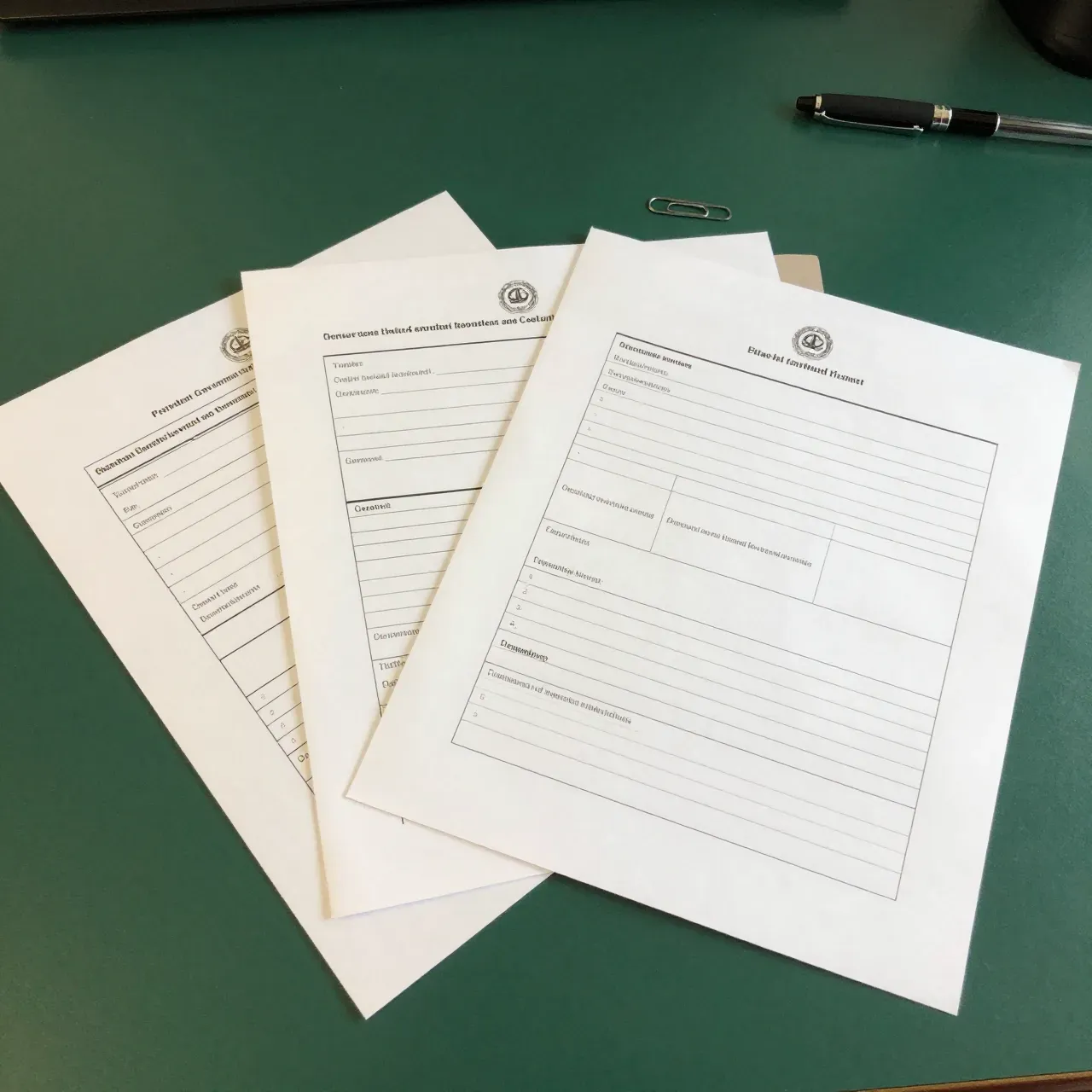
Three state government forms fanned out overlapping on a desk

How to buy them

Three decisions worth making deliberately.

01

Bundle or unbundle

Carriers discount for taking several lines together. Sometimes that is real money; sometimes it locks you to a weak dental network to save a little on life.

02

Employer-paid or voluntary

Voluntary lines cost you nothing but need participation to hold rates. A voluntary plan nobody enrols in is worse than not offering it.

03

Same renewal date

Align them with medical. Split dates mean four separate scrambles a year instead of one review, which is how these lines stop being examined at all.

Questions

On the ancillary lines

Four of about thirty. The rest are grouped by subject.

All questions
Do we have to offer these at all?

No. None of the four lines on this page is required.

They are offered because they are inexpensive relative to medical and because employees weigh them more heavily than the cost suggests — dental in particular.

Can we offer dental without medical?

Usually yes, though some carriers will only write ancillary lines alongside their own medical.

It is a reasonable option for a company not ready to take on a medical plan but wanting to offer something.

What participation do these need?

Employer-paid lines generally need everyone eligible enrolled. Voluntary lines carry a minimum participation requirement that varies by carrier and line.

Falling below it at renewal is the usual reason a voluntary plan gets pulled.

Someone is already out on leave. Does that complicate a change?

Yes, and it is worth raising before anything else. An open disability claim, or someone mid-treatment, changes what a carrier change costs them.

This is one of the cases where our advice is often to leave it alone this year.

When did anyone last look at these?

Send us the current plan documents. We will tell you what has drifted.